Fixed-Price vs Hidden Costs: What a House and Land Package Really Costs
A fixed-price house and land package gives you certainty about the house, but not always about every dollar you will spend. This guide explains what the price includes, which costs like site works, landscaping, fencing and government charges are often missed, and how to compare packages fairly before you sign.
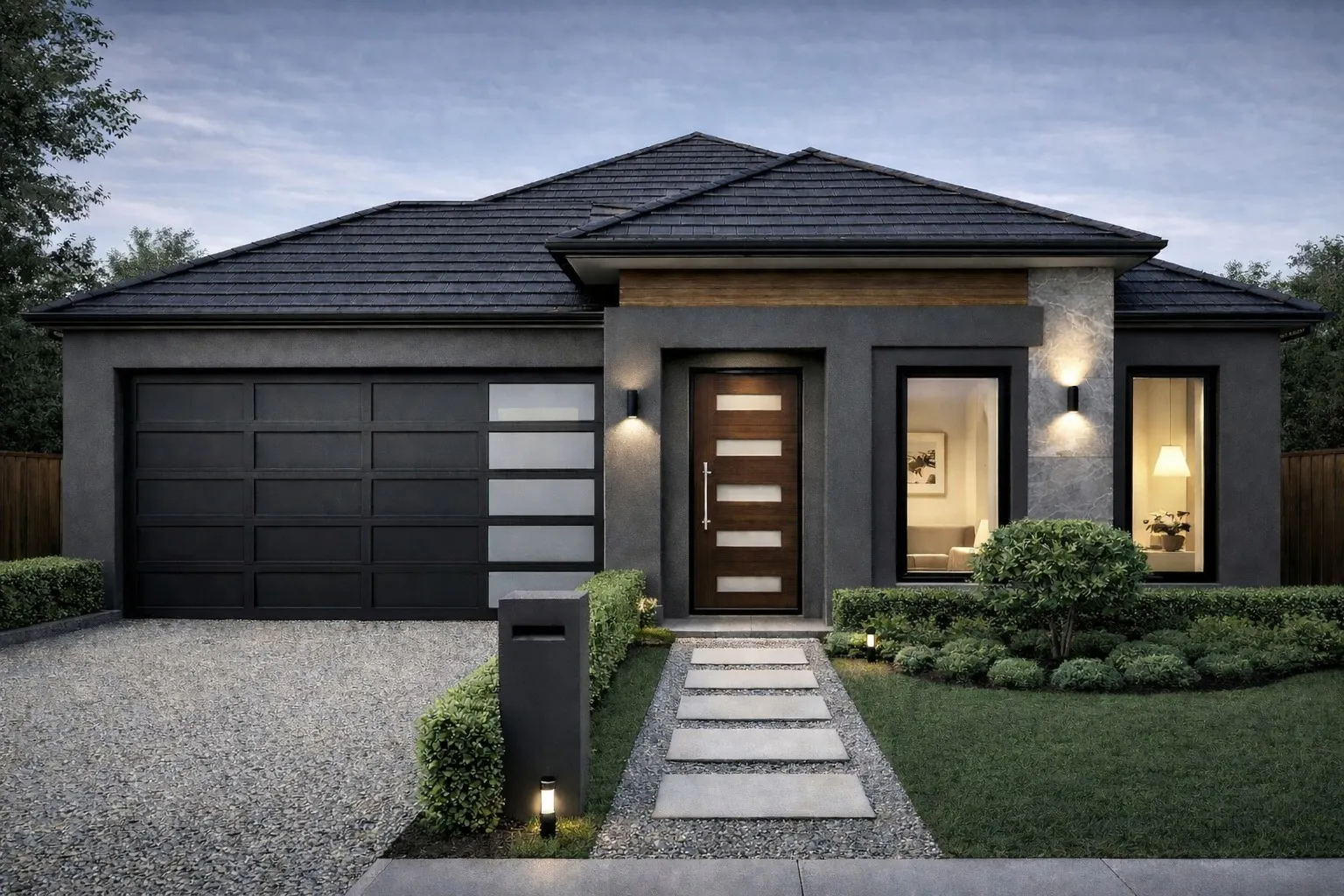
A house and land package in Melbourne usually costs more than the headline number by the time you move in. The advertised price covers the block and the home, but items like site costs, landscaping, fencing, floor coverings and government charges can sit outside it, depending on the builder and the contract.
That does not make packages a bad deal. For many buyers, a house and land package is the simplest route to a new home with a clear budget. The key is knowing exactly what your price covers before you sign. This guide explains what fixed price really means, which costs most often get missed, and how to compare packages fairly. It draws on the questions our team hears from buyers when we walk them through inclusions, contracts and handover.
What does a house and land package price include?
A house and land package price covers a block of land and a home design built by the builder, usually with a set list of standard inclusions. It is the combined cost of two things: the land and the build.
In most packages the land and the home are sold under separate contracts. You sign a contract of sale for the land and a building contract for the house. This matters for two reasons. The land has its own settlement date, and the way the contracts are structured affects how stamp duty is calculated, which we cover below.
The real question is what sits inside the building contract. Ask for the full inclusions list in writing and read it line by line before you sign. Standard inclusions describe what the builder supplies in the base price, such as the structure, kitchen, bathrooms and fixtures at a set level of quality. Anything that is not listed is a potential extra.
The advertised price tells you where to start. The inclusions list tells you where you will finish.
What does fixed price actually mean?
A fixed-price building contract means the builder cannot increase the price of the house except in situations the contract allows. It does not mean the total you spend on everything is fixed.
Most building contracts separate costs into three kinds. Understanding the difference is one of the most useful things you can do before signing:
• Fixed items: work and materials that are priced and locked into the contract.
• Provisional sums and prime cost items: allowances for things that cannot be priced exactly yet, such as extra excavation or the final price of selected fittings. The final figure can go up or down.
• Variations: changes made after signing, either by you or required by the site or authorities. These are charged on top of the contract price.
Ask your builder to explain every provisional sum and prime cost item in plain language, and to tell you what happens if the final cost comes in higher.
Which costs most often sit outside the package price?
The exact list depends on the builder, the estate and the block. These are the areas buyers ask us about most.
Site costs and soil conditions
Site costs cover the work needed to make a block ready to build on, such as soil testing, a site survey, excavation, retaining walls and drainage. Industry sources put these costs anywhere from a few thousand dollars to tens of thousands, depending on slope, soil and access.
Blocks in new estates can be more predictable, but a soil test result can still change the type of slab you need. Confirm whether the slab in your quote is the final one, and whether a soil test has been done on your actual block.
Landscaping, driveway and fencing
Many packages do not include a finished garden, and some leave out the driveway or side and rear fencing. Estate rules may also require front landscaping within a set time after handover. Ask exactly what is included and whether the estate requires anything more.
Floor coverings, window coverings and extras
Not every package includes flooring throughout, curtains or blinds, flyscreens, air conditioning or a clothesline. Each item is small, but together they add up quickly. A turnkey inclusion list that covers them is worth comparing against a standard one.
Connections, council and estate requirements
Utility connections, council fees and estate design guidelines can all add cost. Confirm who pays each one and at which stage. Some are paid by the builder and built into the price, while others are charged to you.
Upgrades and variations
A higher-spec benchtop, extra power points or a changed layout after signing is charged as a variation. Variations are one of the most common reasons budgets stretch, because every change feels small but they accumulate. Decide on your layout and upgrades before you sign, not after.
Stamp duty and government charges
In Victoria, stamp duty is called land transfer duty. When land and building are under separate contracts, duty is generally calculated on the land price rather than the combined package value. First home buyer concessions and off-the-plan concessions may apply depending on your situation and how the contract is structured, and the rules change over time.
The First Home Owner Grant has been available for eligible buyers building or buying a new home under a set value cap, which recent guidance puts at $750,000. Always check current eligibility on the State Revenue Office website and speak with your conveyancer or broker before you rely on any concession.
Finance costs during construction
Most buyers use a construction loan, where the lender releases funds in stages as the build progresses. You pay interest on the amount drawn, and you may still be covering rent or an existing mortgage while you wait. Many lenders ask for a deposit of between 5 and 10 percent of the package value, though this varies by lender and borrower.
Our home financing service connects you with trusted legal advisors, financial institutions and accredited finance brokers at no cost to you, and a short pre-qualification questionnaire shows where you stand before you commit.
How do you compare two house and land packages fairly?
Compare the total cost to move in, not the headline price. Put every package through the same checklist:
1. Ask for the full inclusions list in writing and read the packages side by side.
2. Confirm whether site costs are included and whether a soil test has been done on the actual block.
3. Check whether the price is fixed and what can trigger an increase.
4. Ask which items are provisional sums or prime cost items.
5. Find out what landscaping, fencing, driveway and floor coverings are covered.
6. Read the estate guidelines and any deadlines that apply after handover.
7. Get the land settlement date and the expected build start date in writing.
8. Ask for a list of likely extras, then add a buffer for the unexpected.
If a builder cannot tell you what is not included, keep asking until they can.
A simple way to budget is to start with the package price, then add the likely extras from your checklist: landscaping, fencing, floor coverings, window coverings and your chosen upgrades. Add government charges and loan costs. Finally, add a buffer for anything unexpected. If that total still feels comfortable, you have a realistic number to work from.
How does Ansel Homes approach package pricing?
We list priced packages openly on our house and land page. At the time of writing, the priced packages shown there range from $622,100 to $726,800, from 48 Sapium View at the lower end to 28 Tecoma Street at the upper end. Each listing links to a details page, so you can look closely before you speak to anyone.
Those figures are starting prices, so always ask for the full inclusions list and a written breakdown for the specific block you want. Our home designs include single and double storey options across the Ranger and Splender series, so you can match a design to your budget and family needs.
To see the standard of finish for yourself, visit one of our display homes. 21 Howell in Truganina has five bedrooms, three bathrooms, a theatre and a study. It is a useful place to ask which features are standard and which are upgrades, so you can price your own version of the home with real numbers.
If you already own a block, a knockdown and rebuild may suit you better than a package, and we are currently offering free demolition for a limited time. Our guides on knockdown rebuild costs and process and whether it is cheaper to renovate or rebuild explain how the numbers compare. If you are still choosing finishes, our Melbourne home design trends for 2026 is a good place to start.
Frequently asked questions
Is a fixed-price house and land package really fixed?
The building contract price for the house is fixed, except for items the contract allows to change, such as provisional sums, prime cost items and variations. Costs outside the contract, like landscaping, fencing or floor coverings, may not be included at all. Ask your builder to list every item that could change the final price.
How much extra should I budget on top of a house and land package?
There is no single figure, because it depends on your block, the inclusions and your choices. Get written quotes for landscaping, fencing and floor coverings, add government charges and loan costs, then add a buffer for the unexpected.
Do I pay stamp duty on the whole package price?
When land and building are under separate contracts, stamp duty is generally calculated on the land price, not the total package. Concessions may apply depending on your circumstances, so confirm the current rules with the State Revenue Office and your conveyancer.
What is the difference between standard inclusions and a turnkey package?
Standard inclusions list what the builder supplies in the base price. A turnkey package usually adds items such as floor coverings, window coverings and sometimes landscaping, so the home is closer to move-in ready. Always compare the written lists, because the term turnkey is not defined the same way by every builder.
Can I change the design of a house and land package?
Changes made after signing are treated as variations and are charged on top of the contract price. Decide on your layout and upgrades before you sign, and ask your builder what customization is possible for the design you like. You can browse designs on our home designs page.
Can Ansel Homes help me with finance?
Yes. Our home financing service connects you with trusted legal advisors, financial institutions and accredited finance brokers at no cost to you, and you can take a quick pre-qualification questionnaire to see if you qualify for a home loan.
How do I find out the real price of a particular package?
Ask for a written breakdown that lists the land price, the building contract price, the inclusions and any known extras. You can contact our team or call 1300 026 735 and we will walk you through the numbers for the package you like.
Your next step
A fixed-price package gives you certainty about the house, not about every dollar you will spend. Ask the questions in this guide, read the inclusions line by line and build a buffer into your budget. That way the number you sign for is close to the number you actually pay.
When you are ready, browse our house and land packages, take the pre-qualification check on our home financing page, or learn more about Ansel Homes. If you would like a written breakdown for a specific package, contact our team or call 1300 026 735.